
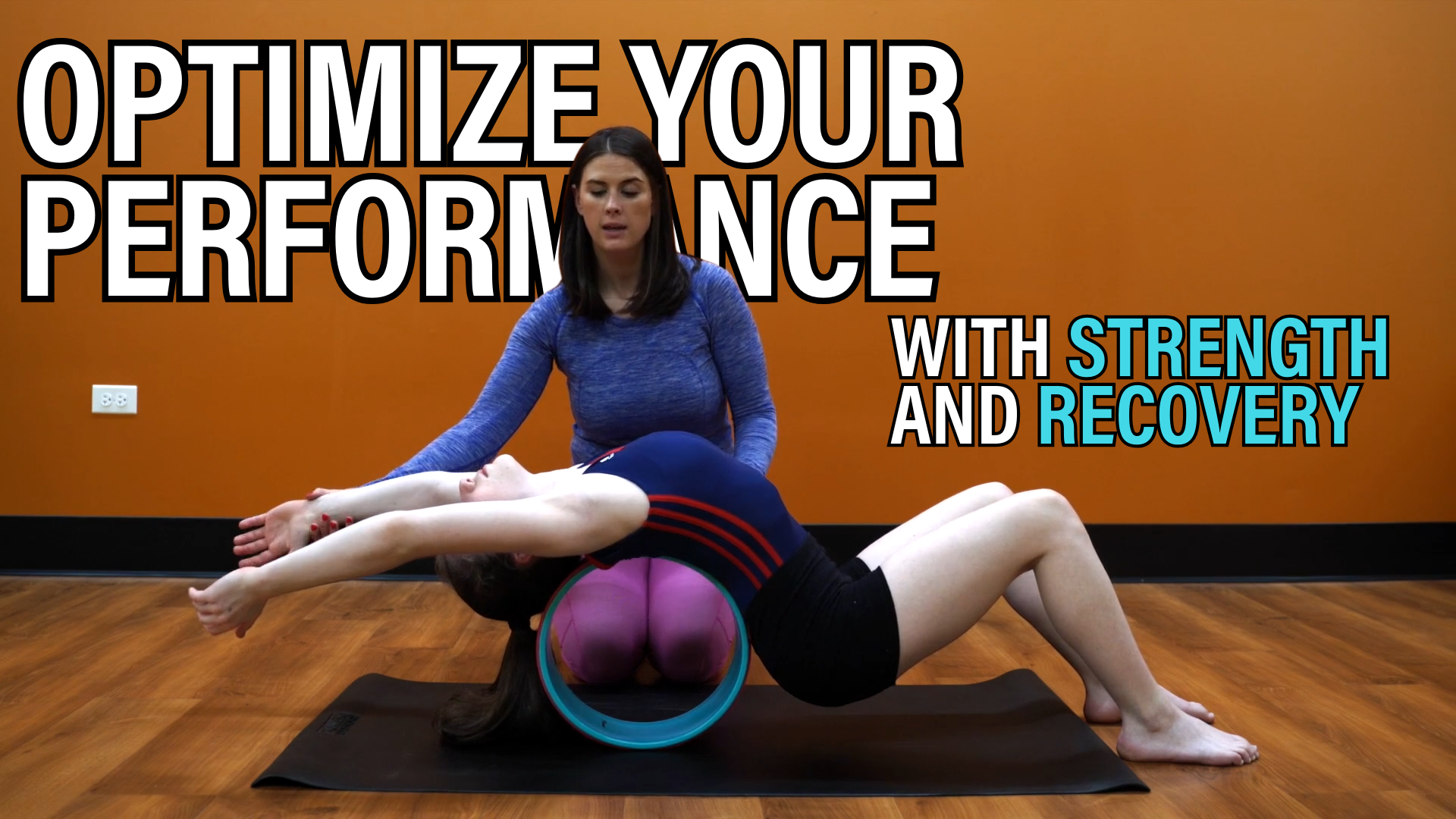
Youth athletes face increasing demands in sports today. Longer seasons, year-round training, and early specialization place significant stress on developing bodies. Optimizing performance is not simply about training harder. It involves building strength, moving efficiently, and allowing the body enough time to recover. Strength and recovery work together to support athletic development, reduce injury risk, and improve long-term performance.
Build Strength the Right Way
Strength training plays an important role in athletic performance for youth athletes. Research in sports medicine shows that athletes with stronger lower bodies, hips, and core muscles perform better and experience fewer injuries. Strength training improves power, stability, and control during high-speed movements such as sprinting, jumping, and cutting.
Important areas to develop include:
• Lower body strength through exercises such as squats, lunges, and step-downs
• Core stability to maintain control of the trunk during movement
• Hip and glute strength to support proper knee alignment and generate power
• Balance and coordination to improve body awareness during sport-specific movements
Developing these areas helps athletes absorb force safely when landing or changing direction. These are common moments when injuries such as ACL tears can occur.
Recovery Is Essential for Performance
Recovery is often overlooked by young athletes, but it is one of the most important components of performance. Training creates stress on muscles and joints. Recovery allows the body to adapt, rebuild tissue, and return stronger.
Athletes who do not recover properly may experience fatigue, decreased performance, and a higher risk of overuse injuries.
Key recovery habits include:
• Consistent sleep, which supports muscle repair and nervous system recovery
• Mobility work and stretching to maintain healthy joint motion
• Active recovery sessions such as light movement or recovery modalities
• Managing training volume so the body can adapt gradually to increased workload
When recovery becomes part of the routine, athletes can train consistently and maintain higher levels of performance throughout the season.
Strength and Recovery Work Together
Strength training improves the body’s ability to produce force and control movement. Recovery ensures the body can adapt to that training without breaking down. When both are prioritized, athletes build resilience, improve movement quality, and perform more efficiently.
For youth athletes, this combination supports long-term athletic development. It allows them to progress in their sport while reducing the likelihood of setbacks caused by injury or fatigue.
Support Your Athlete’s Performance
If your athlete wants to improve performance, address a recurring ache, or make sure their training plan supports long-term development, we are offering Free 15-Minute Phone Consultations throughout March. In this quick conversation, you will receive professional guidance and personalized next steps to help your athlete train smarter and stay healthy throughout the season.
Click the button below to schedule your Free 15-Minute Phone Consultation and get personalized guidance for your training and recovery.