
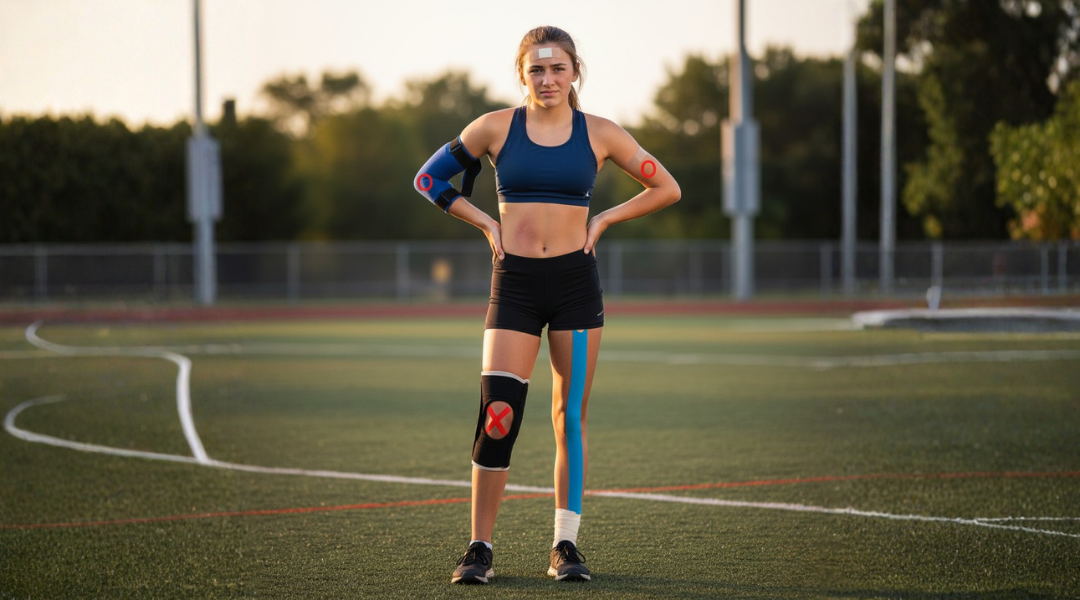
Youth and high school sports have never been more competitive. Athletes are training year round, specializing earlier, and pushing their bodies harder than ever before. The problem is that their bodies are often not prepared for the physical demands being placed on them.
Many injuries, especially knee injuries like ACL tears, happen during cutting, landing, or sudden direction changes. In many cases there is no contact from another player.
The encouraging news is that many of these injuries are preventable with the right training strategies.
Research consistently shows that neuromuscular training, including strength, balance, and proper movement mechanics, can significantly reduce injury risk in athletes.
Instead of reacting to injuries after they happen, athletes should focus on building resilient bodies that can tolerate the demands of their sport.
Why Injuries Are Increasing in Youth Sports
Several factors are contributing to the rise in sports injuries:
-
Early sport specialization
-
Year round competition without adequate recovery
-
Poor movement mechanics
-
Lack of strength training
-
Rapid growth during adolescence
When strength and neuromuscular control do not keep up with growth and training load, athletes often rely on ligaments and tendons to stabilize joints. This places them at a much higher risk for injury.
5 Things Every Athlete Should Do to Prevent Injuries
1. Train Strength, Not Just Skills
Skill training alone is not enough. Strength training builds the muscles that protect joints during high speed movements like cutting and jumping.
Focus on:
-
Glutes
-
Hamstrings
-
Core
-
Single leg strength
2. Practice Landing Mechanics
Many knee injuries occur during poor landing mechanics after jumps or cuts.
Athletes should learn to:
-
Land with knees and hips bent
-
Keep knees aligned over toes
-
Absorb force through the hips
These mechanics should be practiced regularly during training, not only during games.
3. Include Neuromuscular Warm Ups
Programs that include plyometrics, balance work, and agility drills have been shown to reduce injury risk in athletes.
A proper warm up should include:
-
Dynamic mobility
-
Single leg balance
-
Jump and landing drills
-
Change of direction training
4. Prioritize Recovery
Fatigue increases injury risk. Overuse injuries are extremely common in youth sports, especially when athletes compete in multiple seasons without rest.
Athletes should prioritize:
-
Sleep
-
Rest days
-
Off season recovery periods
5. Build Movement Skills Early
Basic movement skills like running, jumping, hopping, and cutting mechanics play a major role in injury prevention.
Athletes who develop strong movement patterns early in adolescence show the greatest reduction in injury risk.
The Bottom Line
Injuries are rarely just bad luck. They often occur when an athlete’s body is asked to do something it is not prepared for.
The best athletes do not just train their sport. They train movement quality, strength, and resilience.
When athletes build these foundations early, they not only reduce injuries but also unlock higher levels of performance.
Want to know if your athlete is at risk for injury?
A movement screen can identify weaknesses in strength, balance, and mechanics before they turn into injuries.
Book a Peak Performance Assessment at PREP Performance Center to identify risk factors and build a stronger, more resilient athlete.