
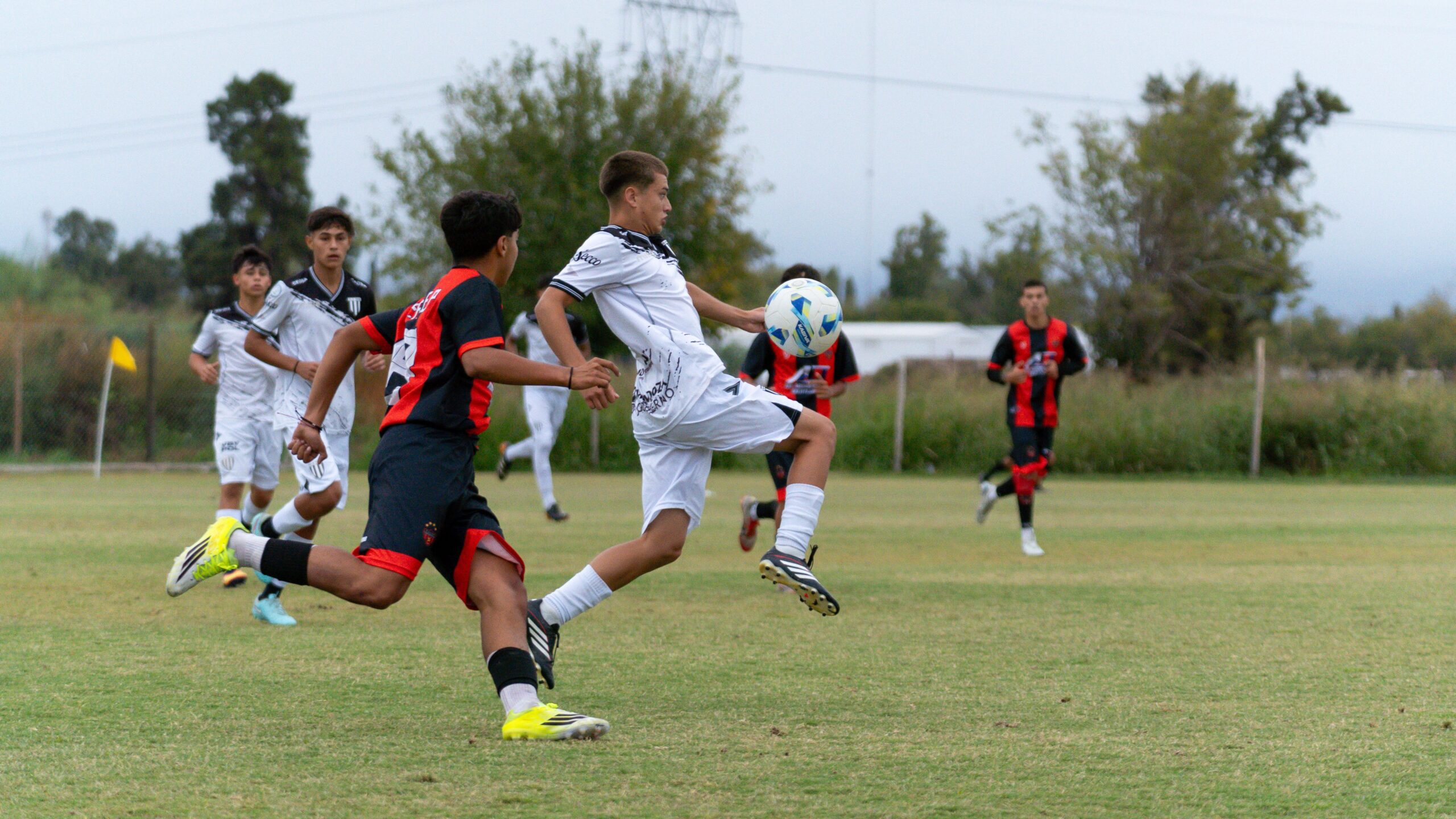
Soccer is one of the most physically demanding sports, requiring sprinting, cutting, jumping, pivoting, and sudden changes of direction. While these movements are essential for performance, they also place significant stress on the knees, making ACL injuries one of the most common and devastating injuries for soccer players.
At PREP Performance Center in Chicago, we help soccer athletes prevent ACL injuries, recover after surgery, and safely return to the field stronger than before.
Why Are Soccer Players at High Risk for ACL Injuries?
The anterior cruciate ligament (ACL) is a key stabilizing ligament in the knee. Soccer players frequently perform movements that can place excessive stress on the ACL, including:
- Rapid cutting and directional changes
- Landing from headers or jumps
- Sudden deceleration
- Pivoting on a planted foot
- Contact from other players
Many ACL injuries occur without contact, often during a simple change of direction or landing movement.
Common Signs of an ACL Injury
If you experience any of the following symptoms after a soccer injury, seek evaluation immediately:
- A popping sensation in the knee
- Immediate swelling
- Knee instability or “giving way”
- Difficulty walking or changing direction
- Loss of confidence during athletic movements
Early diagnosis and treatment can improve long-term outcomes and recovery.
Physical Therapist Tips for ACL Injury Prevention
1. Strengthen Your Hamstrings and Glutes
Strong hamstrings help reduce stress on the ACL, while strong glutes improve lower-body control during cutting and landing.
Recommended exercises:
- Romanian deadlifts
- Hamstring curls
- Single-leg bridges
- Lateral band walks
2. Train Proper Landing Mechanics
Poor landing technique increases ACL injury risk.
Focus on:
- Soft, controlled landings
- Knees aligned over toes
- Avoiding excessive knee collapse inward
- Balanced weight distribution
3. Improve Single-Leg Stability
Soccer is played largely on one leg during kicking, cutting, and sprinting.
Helpful exercises:
- Single-leg squats
- Step-downs
- Single-leg balance drills
- Lateral hops with control
4. Build Core Strength
A strong core improves body control and reduces unnecessary stress on the knees during athletic movements.
Include:
- Planks
- Side planks
- Dead bugs
- Pallof presses
5. Don’t Skip Injury Prevention Training
Structured ACL injury prevention programs have been shown to reduce injury rates in athletes.
A sports physical therapist can design a program specific to your position, age, and level of competition.
Recovering From an ACL Injury
Recovery from an ACL injury is more than simply waiting for the knee to heal. Successful rehabilitation requires a progressive plan that restores:
- Strength
- Balance
- Agility
- Power
- Running mechanics
- Sport-specific movement patterns
- Confidence
Returning to soccer too early can significantly increase the risk of re-injury.
At PREP Performance Center, we use objective testing, strength assessments, movement analysis, and return-to-sport evaluations to determine when athletes are truly ready to return to competition.
Return to Soccer: What Matters Most?
Many athletes are told they can return to sports based on time alone. However, research shows that readiness should be based on physical performance, not just the calendar.
Before returning to soccer, athletes should demonstrate:
- Symmetrical lower-body strength
- Good single-leg control
- Proper jumping and landing mechanics
- Sprint and agility readiness
- Confidence during soccer-specific movements
A comprehensive return-to-sport assessment helps reduce the risk of future injuries.
Physical Therapy for Soccer Players in Chicago
If you’re a soccer player dealing with knee pain, recovering from an ACL injury, or looking to prevent injuries before the season starts, PREP Performance Center can help.
Our sports physical therapists specialize in:
- ACL rehabilitation
- Sports injury recovery
- Injury prevention programs
- Return-to-sport testing
- Running and movement analysis
- Youth and adult athlete performance training
Special Offer: Return-to-Sport Assessment
Not sure if you’re truly ready to get back on the field? Ask about our Return-to-Sport Assessment, designed to evaluate strength, movement quality, and overall readiness for competition.
Schedule your evaluation today and take the next step toward a safer, stronger return to soccer.