
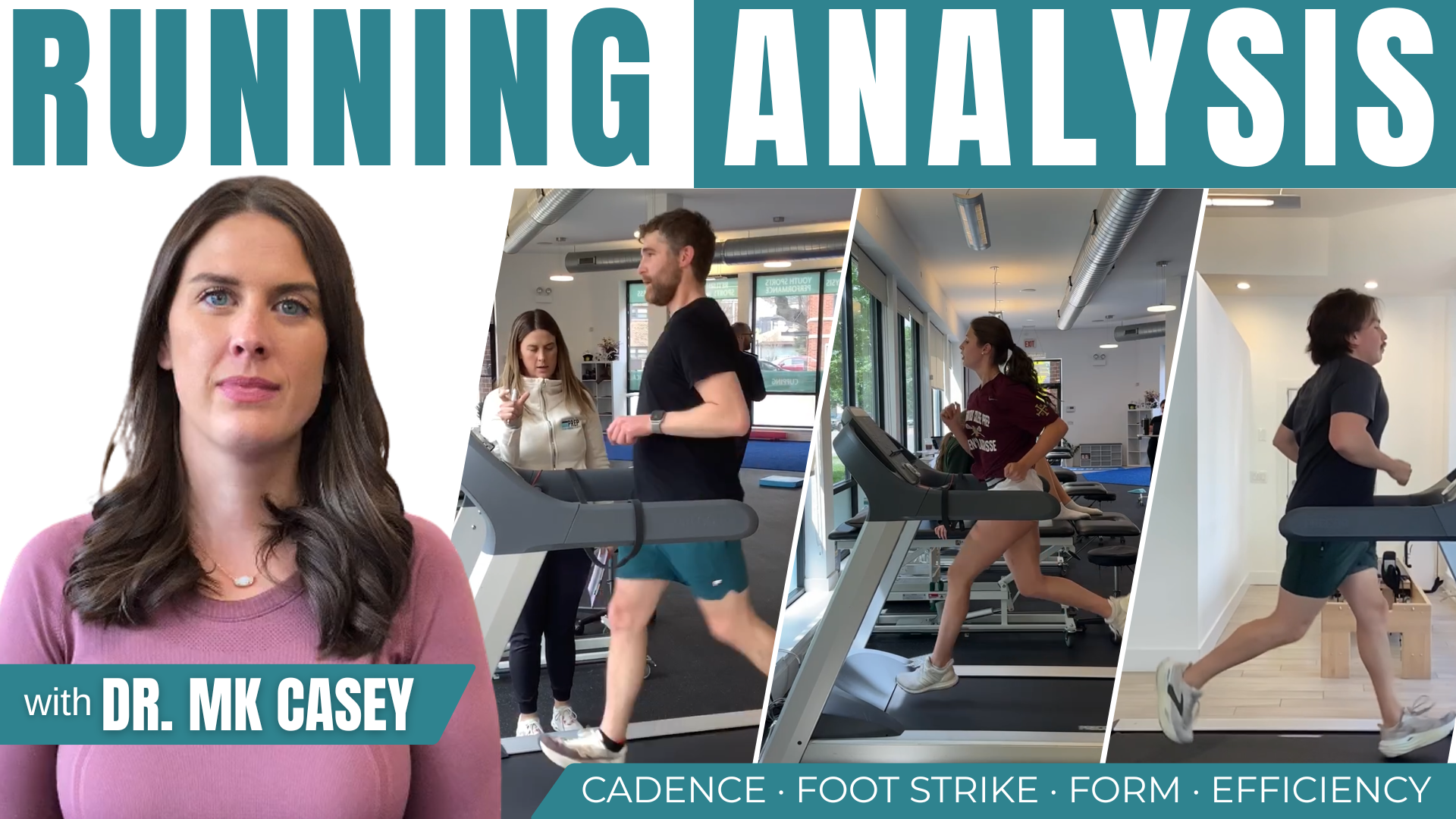
From your first 5K to the Chicago Marathon, a professional running analysis can help you run stronger, reduce injury risk, and improve performance.
Running has never been more popular. Every year, thousands of Chicago runners lace up for local races, marathon training groups, and recreational running clubs. But many runners wait until pain develops before seeking help.
The truth is that pain isn’t a normal part of running.
At PREP Performance Center, we believe the best time to evaluate your running mechanics is before an injury sidelines your training. A comprehensive running analysis can uncover movement patterns that affect efficiency, performance, and long-term health.
What Is a Running Analysis?
A running analysis is a detailed evaluation of how your body moves while running.
Unlike simply watching someone jog, a physical therapist performs a comprehensive assessment that combines:
- Running gait analysis
- Video movement analysis
- Joint mobility testing
- Strength assessment
- Balance evaluation
- Functional movement screening
- Training history review
- Previous injury assessment
This allows your physical therapist to determine why your body moves the way it does—not just what it looks like while you’re running. Modern gait analysis often includes slow-motion video from multiple angles along with assessments of cadence, stride mechanics, and lower-body movement.
Why Running Form Matters
Running places approximately 2–3 times your body weight through each leg with every stride.
For someone running just three miles, that’s thousands of repetitive impacts.
Small movement inefficiencies repeated thousands of times can contribute to:
- Runner’s knee
- IT band syndrome
- Achilles tendon pain
- Shin splints
- Plantar fasciitis
- Hip pain
- Low back pain
- Stress injuries
A running analysis helps identify these issues early, allowing you to address contributing factors before they become larger problems.
Common Problems We See in Chicago Runners
Every runner is different.
Some of the most common movement patterns we evaluate include:
Overstriding
Landing too far in front of your body increases braking forces and places extra stress on the knees and hips.
Hip Weakness
Weak glute muscles often cause excessive hip drop, increasing stress throughout the lower body.
Poor Single-Leg Stability
Running is essentially a series of single-leg hops.
If you struggle with balance or control on one leg, your running mechanics may suffer.
Limited Ankle Mobility
Reduced ankle mobility can change how your foot absorbs force and affect movement up the kinetic chain.
Reduced Cadence
A cadence that’s too low can contribute to longer strides and increased loading forces.
Research and clinical assessments frequently examine cadence, stride length, foot strike, trunk position, and hip and knee mechanics because these factors influence efficiency and tissue loading.
Signs You Should Schedule a Running Analysis
You don’t need to be injured to benefit from an evaluation.
Consider scheduling a running analysis if you:
- Experience recurring knee pain
- Have frequent shin splints
- Deal with plantar fasciitis
- Notice hip or back pain after running
- Have suffered multiple running injuries
- Feel slower despite increased training
- Are preparing for a marathon
- Recently changed shoes
- Are returning after an injury
- Want to improve running efficiency
What Happens During a Running Analysis at PREP Performance Center?
At PREP Performance Center, your evaluation goes beyond simply watching you run.
Your assessment may include:
Health & Training History
We discuss:
- Running experience
- Weekly mileage
- Previous injuries
- Race goals
- Current training plan
- Footwear
Movement Assessment
We’ll evaluate:
- Hip mobility
- Ankle mobility
- Core strength
- Balance
- Single-leg control
- Flexibility
Video Running Analysis
Using slow-motion video, we’ll assess:
- Foot strike
- Cadence
- Stride length
- Knee alignment
- Hip mechanics
- Trunk position
- Arm swing
- Running symmetry
Personalized Plan
After your evaluation, you’ll receive recommendations tailored to your needs, which may include:
- Strength exercises
- Mobility work
- Running drills
- Cadence adjustments (when appropriate)
- Return-to-running progression
- Recovery strategies
- Training modifications
Rather than recommending the same technique for every runner, the goal is to match interventions to your individual movement patterns, symptoms, and goals.
Can Running Analysis Help You Run Faster?
Yes—but not by simply changing your running style.
Improving performance usually comes from addressing the underlying factors that limit efficiency, such as:
- Poor hip stability
- Weak glutes
- Limited ankle mobility
- Core weakness
- Training errors
- Fatigue management
When your body moves more efficiently, you may waste less energy and tolerate higher training volumes with less discomfort.
Injury Prevention Starts Before Pain
Many running injuries don’t happen overnight.
They develop gradually over weeks or months of repetitive loading.
By identifying movement limitations early, runners can often reduce their risk of common overuse injuries and continue training more consistently. Strength training, smart mileage progression, and individualized guidance remain key parts of injury prevention.
Why Choose PREP Performance Center for Running Analysis in Chicago?
At PREP Performance Center, we specialize in helping active individuals and athletes return to doing what they love.
Our running evaluations focus on:
- Evidence-based movement analysis
- Individualized physical therapy
- Sports rehabilitation
- Injury prevention
- Performance optimization
- Return-to-sport planning
Whether you’re training for your first race or looking to set a new personal best, we’ll help you understand how your body moves and develop a plan that supports your running goals.
Schedule Your Running Analysis in Chicago
If you’re dealing with recurring running injuries, preparing for a race, or simply want to improve your running performance, a professional running analysis can provide valuable insights.
At PREP Performance Center in Chicago, our physical therapists use movement analysis and evidence-based rehabilitation to help runners move better, stay healthier, and perform at their best.
Book your Running Analysis today and take the first step toward running stronger, faster, and with greater confidence.